
1Immediately after removal
Follow the dentist’s instructions for protecting the extraction site and managing initial bleeding.
WISDOM TOOTH REMOVAL • RECOVERY • PUNE
Recovery after wisdom tooth removal varies with the complexity of the extraction. Understanding expected pain, swelling, eating, oral hygiene and warning signs can help you plan your aftercare.
Your dentist should explain the expected recovery and individual aftercare instructions before you leave. More difficult extractions may need a different recovery plan.
AT A GLANCE
QUICK ANSWER
Book a consultation to understand suitability, treatment options, expected care and costs.
AT A GLANCE
QUICK ANSWER
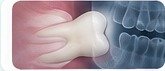
Wisdom tooth removal recovery involves allowing the extraction socket to heal while managing expected discomfort and protecting the blood clot that forms in the socket. Recovery differs between straightforward and more difficult extractions.
SUITABILITY
Suitability depends on the individual clinical findings and treatment goal. The following are examples of situations where this treatment may be considered:
PATIENT GUIDE
The exact sequence depends on the clinical findings and the treatment plan recommended by the dentist.
Follow the dentist’s instructions for protecting the extraction site and managing initial bleeding.
Pain, swelling and jaw stiffness can occur. Soft foods may be more comfortable while chewing is difficult.
Keep the rest of the mouth clean while taking care around the extraction area as instructed.
As discomfort improves, normal activities and diet can usually be resumed according to the clinician’s advice.
Persistent bleeding, severe or worsening pain, fever, feeling unwell or other concerning symptoms should be assessed.
OPTIONS
Different approaches may be suitable for different patients. The final choice should follow clinical assessment.
A wisdom tooth that is not causing problems may sometimes be monitored rather than removed.
Some wisdom teeth can be removed relatively straightforwardly. Explore wisdom tooth extraction →
Impacted or difficult teeth may require a more involved surgical approach and a different recovery plan. Explore surgical wisdom tooth removal →
LIMITATIONS & RISKS
AFTERCARE
Follow the individual instructions provided by the treating dentist. Avoid smoking and protect the extraction site. If bleeding does not stop, pain or swelling is severe or getting worse, or you develop fever or feel unwell, contact a dentist urgently.
COST & PRICING
Starting or indicative pricing is shown below. The final fee depends on clinical findings, treatment complexity, materials and the treatment plan recommended after assessment.
BEFORE & AFTER
Genuine Amayra patient photographs will be added here as cases become available, with appropriate patient consent.
Individual results vary. Real patient photographs will be published only with appropriate consent.
RELATED CARE
FAQ
Recovery varies. Pain and swelling are common in the early period and should generally improve as healing progresses. More difficult extractions may require a longer recovery.
Soft or liquid foods can be easier while chewing is uncomfortable. Follow the specific instructions given by your dentist.
Keep the rest of your teeth clean but take care around the extraction area and follow your dentist’s instructions.
Seek dental advice for bleeding that does not stop, severe or worsening pain or swelling, fever, feeling unwell, or other unexpected symptoms.
Dry socket is a painful condition in which the protective blood clot in the extraction socket does not form properly or becomes dislodged before healing is complete.
Book a consultation to understand suitability, treatment options, expected care and costs.
Book an AppointmentTRUSTED PARTNERS