
Cold or sweet sensitivity
Brief sensitivity to cold, sweets or acidic foods can occur as decay progresses into deeper tooth layers.
DENTAL PROBLEM • PUNE
Tooth decay can progress from a small cavity to deeper damage if it is left untreated. At Amayra Polyclinic & Dental Hub near Amanora and Magarpatta, Pune, we assess the tooth carefully and recommend treatment based on how deeply the decay has affected it.
KNOW THE SIGNS
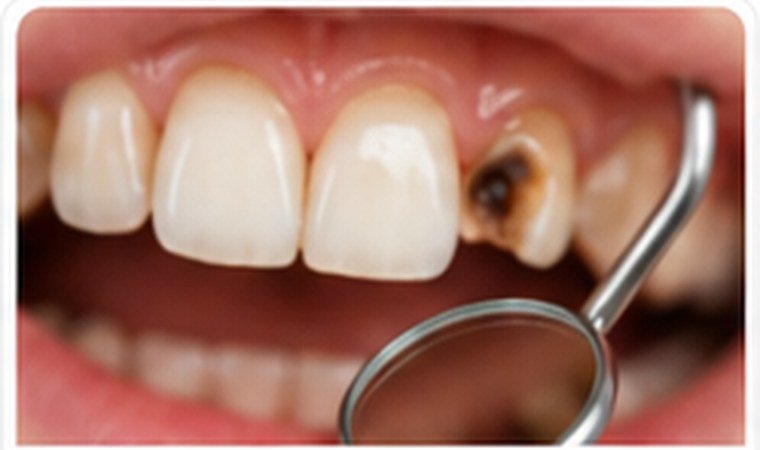
Tooth decay may develop silently at first. As the damaged area becomes deeper, symptoms can include sensitivity, food lodgement, pain or a visible change in the tooth. A cavity does not always hurt, so a painless tooth can still need treatment.
Brief sensitivity to cold, sweets or acidic foods can occur as decay progresses into deeper tooth layers.
A cavity between or on the biting surface of teeth may repeatedly trap food and be difficult to clean.
Brown, black or chalky areas, pits or a visible hole may indicate tooth structure has been damaged.
Pain on biting can occur when decay is advanced or when the tooth has another structural problem.
Increasing or spontaneous pain can indicate that decay has progressed toward the pulp and needs prompt assessment.
Early decay can be symptom-free, which is why regular dental examinations can help identify problems before they become extensive.
WHY DECAY HAPPENS
If decay is limited to the tooth structure, a filling may be enough. Waiting until pain becomes severe can mean the tooth needs more extensive treatment.
Facial swelling, fever, difficulty swallowing or breathing, or rapidly worsening pain requires urgent professional assessment.
DIAGNOSIS
We inspect the tooth, neighbouring teeth and gums and assess visible changes, food trapping, sensitivity and tenderness.
Depending on symptoms, appropriate tests may help determine whether the decay is superficial or closer to the pulp.
Radiographs can help identify decay between teeth or assess the depth of a lesion when it cannot be fully evaluated clinically.
TREATMENT
Very early enamel changes may be managed with fluoride, plaque control, diet advice and monitoring when appropriate.
When a cavity has created a defect in the tooth, the decayed tissue is removed and the tooth may be restored with a suitable filling material.
If decay reaches the pulp and the tooth is no longer able to recover, root canal treatment may be recommended to treat the infected or irreversibly inflamed pulp.
A heavily weakened tooth may need a crown after appropriate treatment to restore function and protect remaining tooth structure.
If a tooth is severely damaged and cannot be predictably restored, extraction may sometimes be considered after discussing alternatives.
Restoring one cavity does not prevent new decay. Daily fluoride care, interdental cleaning, diet control and regular reviews remain important.
CAVITY DENTIST IN PUNE
Amayra Polyclinic & Dental Hub is conveniently located near Amanora Park Town and Magarpatta City, serving patients from Hadapsar and nearby areas including Mundhwa, Kharadi and surrounding Pune neighbourhoods. If you have a new cavity, recurring food lodgement, sensitivity or tooth pain, an examination can help identify the right treatment before the problem progresses.
Dentist near Amanora → Dentist near Magarpatta →INTERNAL LINKS
FAQ
Early cavities may cause no symptoms. As decay progresses, you may notice sensitivity to cold or sweets, food getting stuck, a visible hole or dark spot, pain or discomfort when chewing.
Very early enamel changes may sometimes be arrested or remineralised with preventive care and fluoride, but an established cavity cannot be reliably repaired by home care alone and may need a filling or other treatment.
No. Many cavities can be treated with a filling when the damage is limited. Root canal treatment may be needed when decay or other damage reaches the dental pulp and causes irreversible inflammation or infection.
Brush twice daily with fluoride toothpaste, clean between teeth, limit frequent sugary snacks and drinks, maintain regular dental check-ups and address early signs of decay promptly.
Cost depends on the size and location of the cavity and the type of restoration required. A dental examination is needed to determine whether a filling or more extensive treatment is appropriate.
Book a dental assessment at Amayra Polyclinic & Dental Hub near Amanora and Magarpatta, Pune 411028.
Book Your Dental ConsultationTRUSTED PARTNERS