
What is the main difference?
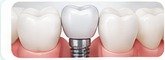
A dental implant is placed in the jaw to support a restoration, while a conventional bridge uses supporting teeth on either side of the space. The clinical situation determines which approach is appropriate.
TOOTH REPLACEMENT • PUNE
Dental implants and bridges can both be used to replace missing teeth in selected situations. The appropriate option depends on the missing tooth, supporting teeth, gums, bone, bite, treatment goals and overall clinical findings.
Use the comparison to understand the main differences, then discuss the options that fit your clinical findings and treatment goals.
QUICK ANSWERS
A dental implant is placed in the jaw to support a restoration, while a conventional bridge uses supporting teeth on either side of the space. The clinical situation determines which approach is appropriate.
No. Implants can support different types of restorations, including single-tooth crowns and implant-supported bridges or dentures, depending on the treatment plan.
The total cost depends on the treatment design, materials, number of teeth, procedures and laboratory work. A direct price comparison is only meaningful after the proposed treatment is defined.
Assessment considers the condition of the missing-tooth area, adjacent teeth, gums, bone, bite, oral hygiene, treatment goals and maintenance considerations.
SIDE-BY-SIDE
| Factor | Dental Implant | Dental Bridge |
|---|---|---|
| Support | Implant placed in the jaw supports the restoration. | Uses supporting teeth or another designed support to hold the bridge. |
| Adjacent teeth | A single-tooth implant can avoid using adjacent teeth as bridge supports. | Conventional bridges generally rely on prepared supporting teeth. |
| Treatment stages | May involve surgery, healing and restorative stages. | Typically involves preparation/records, laboratory fabrication and placement. |
| Suitability | Depends on bone, gum health, oral health, anatomy and treatment goals. | Depends on the space, supporting teeth, bite and clinical situation. |
| Maintenance | Requires routine oral hygiene and professional follow-up. | Requires careful cleaning around the bridge and supporting teeth plus regular reviews. |
CLINICAL DECISION
There is no universal winner. The appropriate option depends on diagnosis, anatomy, oral health, treatment goals, expected maintenance and the clinician’s assessment. A consultation is the right next step if you are deciding between these options.
RELATED CARE
TRUSTED PARTNERS