
What is a crown?
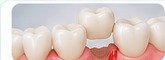
A crown is a fixed restoration that covers the tooth to restore a damaged or weakened tooth when full-coverage restoration is appropriate.
RESTORATIVE & COSMETIC DENTISTRY • PUNE
Crowns and veneers can both change the appearance of a tooth, but they are designed for different clinical situations. The choice depends on how much tooth structure needs restoration, function, bite, aesthetics and the health of the tooth.
Use the comparison to understand the main differences, then discuss the options that fit your clinical findings and treatment goals.
QUICK ANSWERS
A crown is a fixed restoration that covers the tooth to restore a damaged or weakened tooth when full-coverage restoration is appropriate.
A veneer is a thin restoration placed on the visible surface of a suitable tooth to address selected aesthetic concerns such as shape, colour or proportions.
If a tooth needs substantial structural restoration, a crown may be considered. Veneers are generally considered for selected aesthetic changes when the tooth is otherwise suitable.
Either may be part of a smile plan when clinically appropriate. The treatment should be based on the condition of the teeth, gums, bite and the desired result.
SIDE-BY-SIDE
| Factor | Dental Crown | Dental Veneer |
|---|---|---|
| Primary purpose | Restore and protect a damaged or weakened tooth. | Address selected aesthetic changes on the visible tooth surface. |
| Coverage | Full-coverage restoration. | Primarily covers the visible/front surface. |
| Suitability | Often considered when significant tooth structure needs restoration. | Considered when the tooth is suitable for a more conservative aesthetic restoration. |
| Function | Can restore form and function of a structurally compromised tooth. | Primarily aesthetic, with function considered in the treatment plan. |
| Planning | Depends on remaining tooth structure, bite, health and restoration requirements. | Depends on enamel/tooth condition, bite, aesthetics and long-term maintenance. |
CLINICAL DECISION
There is no universal winner. The appropriate option depends on diagnosis, anatomy, oral health, treatment goals, expected maintenance and the clinician’s assessment. A consultation is the right next step if you are deciding between these options.
RELATED CARE
TRUSTED PARTNERS