
DENTAL EDUCATION • PUNE
Root Canal Treatment in Pune: A Patient Guide
Wondering what happens during a root canal? This patient-friendly guide explains common symptoms, diagnosis, treatment stages, recovery and why a final restoration may be recommended. Treatment is planned according to the tooth and your clinical findings.
What is root canal treatment?
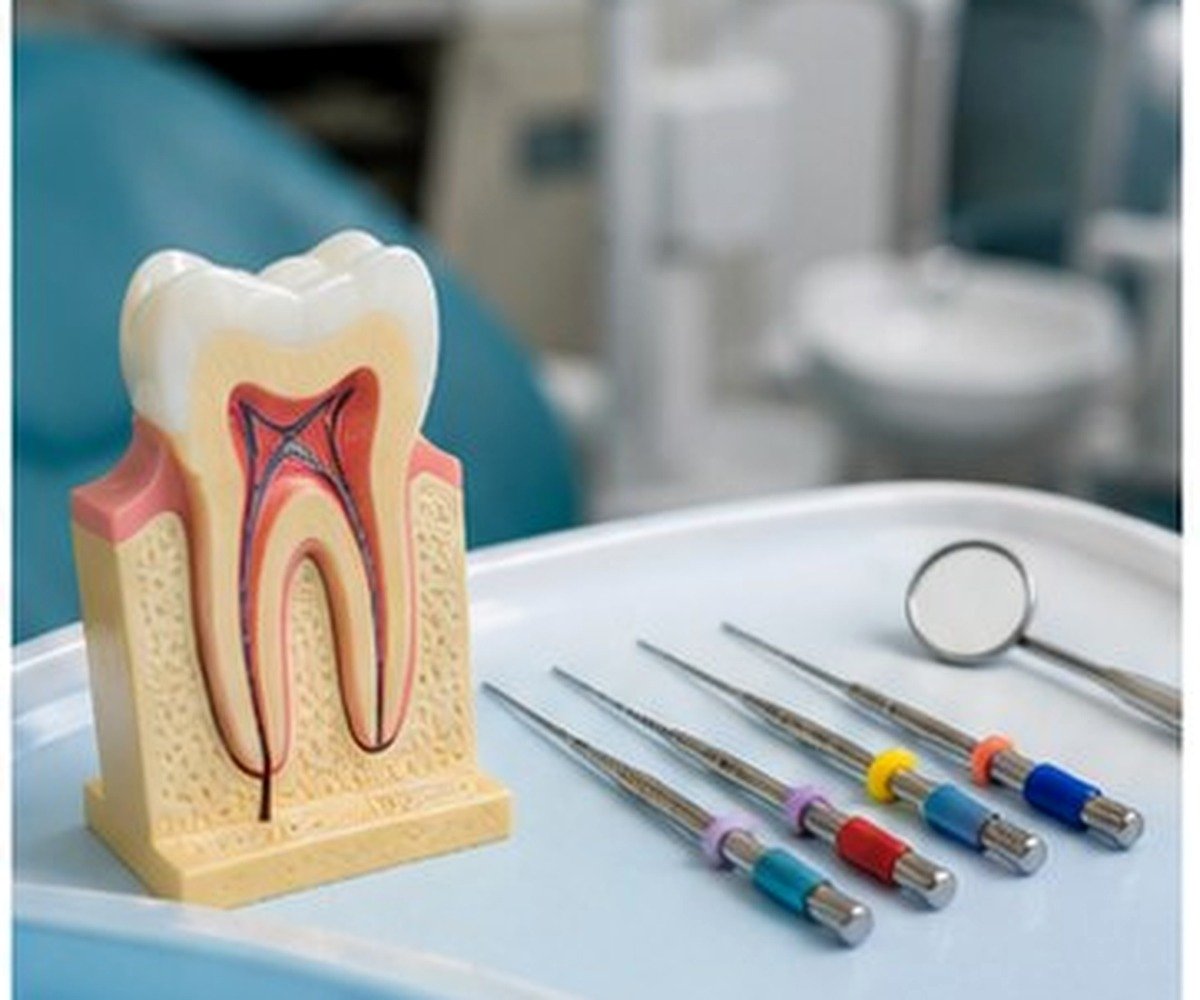
Root canal treatment is a procedure used to treat a tooth when the pulp inside it becomes inflamed or infected. The aim is to remove diseased tissue, clean and disinfect the root canal system, seal the treated space and preserve the natural tooth when it can be predictably restored.
Common symptoms that may lead to assessment
Symptoms can vary. A tooth may hurt with hot or cold foods, remain painful after a stimulus is removed, hurt while biting or develop spontaneous or persistent pain. Swelling around the tooth, a gum pimple, tenderness or a history of deep decay or dental trauma can also prompt an assessment.
Symptoms alone do not confirm that a root canal is needed. Similar symptoms can have different causes, so examination and appropriate dental tests are important.
How the dentist diagnoses the problem
The dentist will review your symptoms and examine the tooth, gums and surrounding tissues. Depending on the findings, dental X-rays or other appropriate imaging may help assess the tooth, roots and surrounding bone. The diagnosis helps determine whether root canal treatment, another restoration, monitoring or a different treatment is more appropriate.
What happens during root canal treatment?
When root canal treatment is indicated, the tooth is carefully accessed so the diseased pulp can be removed. The root canals are cleaned, shaped and disinfected, then sealed. The tooth is subsequently restored so it can function and be protected as recommended by the dentist.
The number of visits and the exact steps can vary with the tooth, canal anatomy, infection, previous treatment and clinical complexity. A personalised plan is therefore more useful than assuming every root canal follows the same schedule.
Why a final restoration may be needed
After root canal treatment, the remaining tooth structure may need additional protection. Depending on the tooth and the amount of structure lost, the dentist may recommend a suitable restoration such as a filling or crown. The purpose is to restore function and help protect the treated tooth from further damage.
What is recovery like?
Some tenderness can occur after treatment, particularly when the tissues around the tooth have been irritated by the original infection or the procedure. Follow the dentist's instructions, take prescribed or recommended medication as directed, and avoid putting unnecessary pressure on the treated tooth until the recommended restoration is completed.
When might retreatment or another option be considered?
If a previously treated tooth remains symptomatic or develops a new problem, the cause needs to be assessed rather than assuming that every case requires immediate retreatment. Depending on the findings, options may include further treatment, restoration, monitoring or extraction when a tooth cannot be predictably saved.
What can affect root canal treatment cost in Pune?
Root canal cost can vary according to the tooth being treated, canal anatomy, infection or retreatment, diagnostic imaging, clinical complexity and the restoration required afterward. For a more detailed overview, see our Root Canal Cost in Pune guide →.
Root Canal Treatment in Pune Near Amanora & Magarpatta
Amayra Polyclinic & Dental Hub is conveniently located near Amanora Park Town and Magarpatta City, Pune 411028. We serve patients from Hadapsar and nearby areas including Mundhwa, Kharadi and surrounding Pune neighbourhoods.
Explore the related Amayra service
LOCAL DENTAL CARE
Need an Individual Assessment?
Amayra Polyclinic & Dental Hub is near Amanora & Magarpatta, Pune 411028.
INTERNAL LINKS