
DENTAL EDUCATION • PUNE
Braces vs Clear Aligners: A Patient Guide
Both braces and clear aligners can be used to move teeth, but suitability depends on the diagnosis, bite, tooth movement required and patient factors.
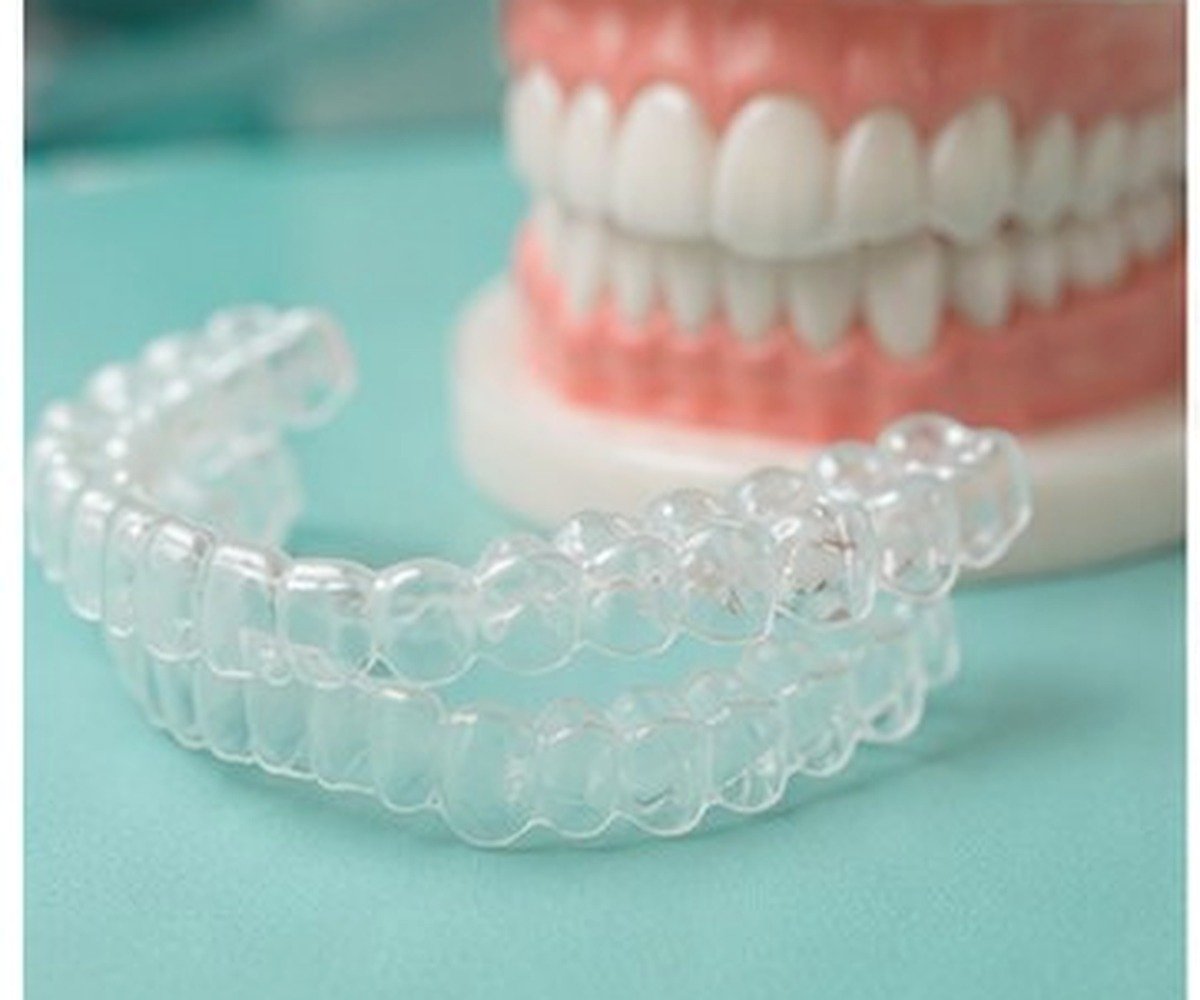
How fixed braces work
Fixed braces use brackets and orthodontic wires to apply controlled forces to the teeth over time. They remain attached to the teeth during treatment, so patients do not need to remember to put them in each day. Different types of fixed braces, including metal and ceramic options, may be considered depending on the treatment plan.
How clear aligners work
Clear aligners are a series of removable, custom-made trays designed to move teeth in planned stages. They can be appealing to patients who prefer a less noticeable option, but they need to be worn as instructed and removed for eating, drinking anything other than water and oral hygiene.
Braces vs clear aligners: key differences
Both approaches can improve tooth alignment, but they differ in how they are worn and managed. Braces are fixed to the teeth and can be useful when consistent appliance control is important. Aligners are removable and discreet, but treatment depends more heavily on wearing them for the prescribed amount of time. Appearance, convenience, cleaning, diet, compliance and the type of tooth movement required can all influence the choice.
- Appearance: Clear aligners are generally less noticeable, while ceramic braces can provide a more discreet fixed option.
- Removability: Aligners can be removed for meals and cleaning; braces remain in place.
- Oral hygiene: Aligners can be removed for brushing and flossing, while braces require careful cleaning around brackets and wires.
- Compliance: Aligners require consistent wear according to the orthodontic plan.
- Case suitability: The appropriate option depends on the diagnosis and movements required, not simply on preference.
Which option may be suitable for you?
There is no single best choice for every patient. Crowding, spacing, bite relationships, tooth position, gum health, previous dental treatment and the movements required can all affect whether braces, clear aligners or another approach is recommended. An orthodontic assessment helps determine what is clinically appropriate before treatment begins.
Comfort, care and daily life
Both treatments require an adjustment period and regular follow-up. With braces, patients need to take care around brackets and wires and may be advised to limit foods that could damage the appliance. With aligners, patients need to remove and clean the trays appropriately and maintain consistent wear. Good oral hygiene is important with either option.
Treatment duration and cost
Treatment time and cost vary from patient to patient. They can be influenced by the complexity of the tooth movements, treatment approach, number of stages, follow-up requirements and retention after active treatment. A consultation provides a more meaningful estimate than a general online comparison.
For current Amayra starting prices, see the Braces Cost in Pune and Clear Aligner Cost in Pune guides.
Why an orthodontic assessment matters
A clinical assessment allows the dentist or orthodontic provider to evaluate your teeth, bite, gums and overall oral health and decide which treatment options are appropriate. If both braces and aligners are suitable, your lifestyle preferences can then be considered alongside the clinical requirements.
Explore the related Amayra services
LOCAL DENTAL CARE
Need an Individual Assessment?
Amayra Polyclinic & Dental Hub is conveniently located near Amanora Park Town and Magarpatta City, serving patients from Hadapsar, Mundhwa, Kharadi and nearby Pune neighbourhoods.
INTERNAL LINKS